
AI systems can increasingly see, hear, sense contact and act in the physical world.
These capabilities largely extend forms of perception that humans already possess. But intelligent machines do not need to be limited by human senses.
Many of the molecular and chemical signatures present in materials, substances and biological systems are invisible to us and to conventional machine perception.
MIEYRA is being developed to give intelligent machines access to that information.
Vision allows machines to recognise and navigate the visible world. Tactile and force sensing help them interact with it.
Molecular perception adds information neither humans nor conventional robotic sensors can directly access: molecular and chemical signatures that can reveal what a material is, what it contains or whether it has changed.
By embedding MIEYRA into robotic and autonomous systems, molecular information could become part of the machine’s normal sensing and decision-making process rather than requiring a separate laboratory or specialist instrument.
This creates the potential for machines to perceive aspects of the physical world beyond normal human capability.
Today’s robots combine cameras, depth sensing, tactile and force sensing, and increasingly capable AI to navigate and interact with the physical world.
MIEYRA adds something fundamentally different: access to molecular information that is normally invisible to both the machine and the human operator.
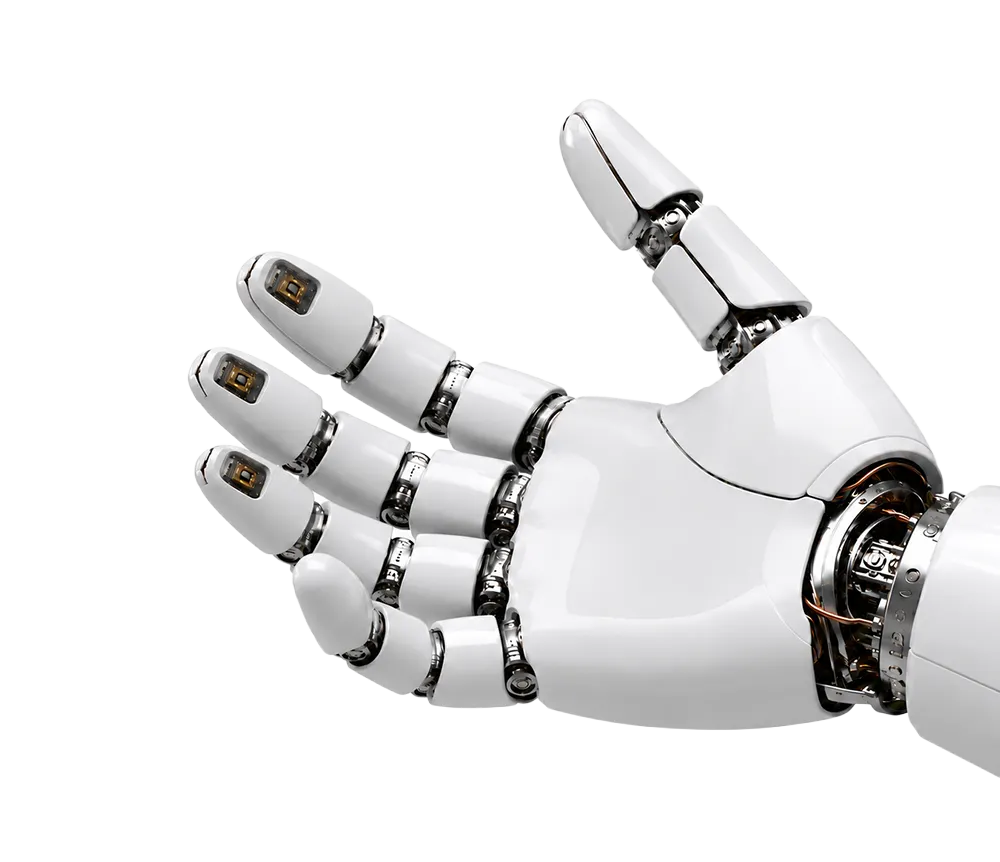
Integrated into a fingertip, end effector, inspection head or other robotic sensing system, molecular perception could allow autonomous systems to identify, inspect and classify materials as part of the same workflow in which they interact with them.
The opportunity is not simply to make machines better at replicating human perception. It is to give them useful forms of perception that humans do not naturally possess.
OEM applications: embedded molecular sensing for humanoid robots, industrial automation, autonomous platforms, drones and intelligent inspection systems.
Our aim is not to build a sensor for one robot or one task.
MIEYRA is being developed as a common semiconductor-scale molecular sensing architecture supporting NIR, MIR, Raman and multimodal sensing.
The same platform can be configured for different robotic tasks, materials and environments, while molecular datasets and application-specific models can improve as deployments grow.
PhovIR does not manufacture robots. We work with robotics companies, autonomy developers, defence partners and industrial OEMs to integrate molecular sensing into future intelligent systems.
Our objective is to make molecular perception part of the sensing architecture of future intelligent machines, giving them access to information that conventional sensors, and humans themselves, cannot directly perceive.


John represents SCVC (Science Creates Venture Capital) on the PhovIR board. A serial entrepreneur and investor, John is best known as the founder of Kudan, one of the early pioneers in Physical AI and machine perception. Having built and scaled a publicly listed deep-tech company, he brings valuable expertise in venture growth, capital formation, commercialisation, and international expansion.

Khadija Ashfaq is an Investment Director at Northern Gritstone, a leading investor in university spinouts and deep-tech businesses across the North of England. Representing Northern Gritstone on the PhovIR board, she brings extensive experience in evaluating and scaling science-led companies across semiconductors, AI, quantum technologies, and advanced engineering, providing strategic guidance on growth, investment, and commercialisation.
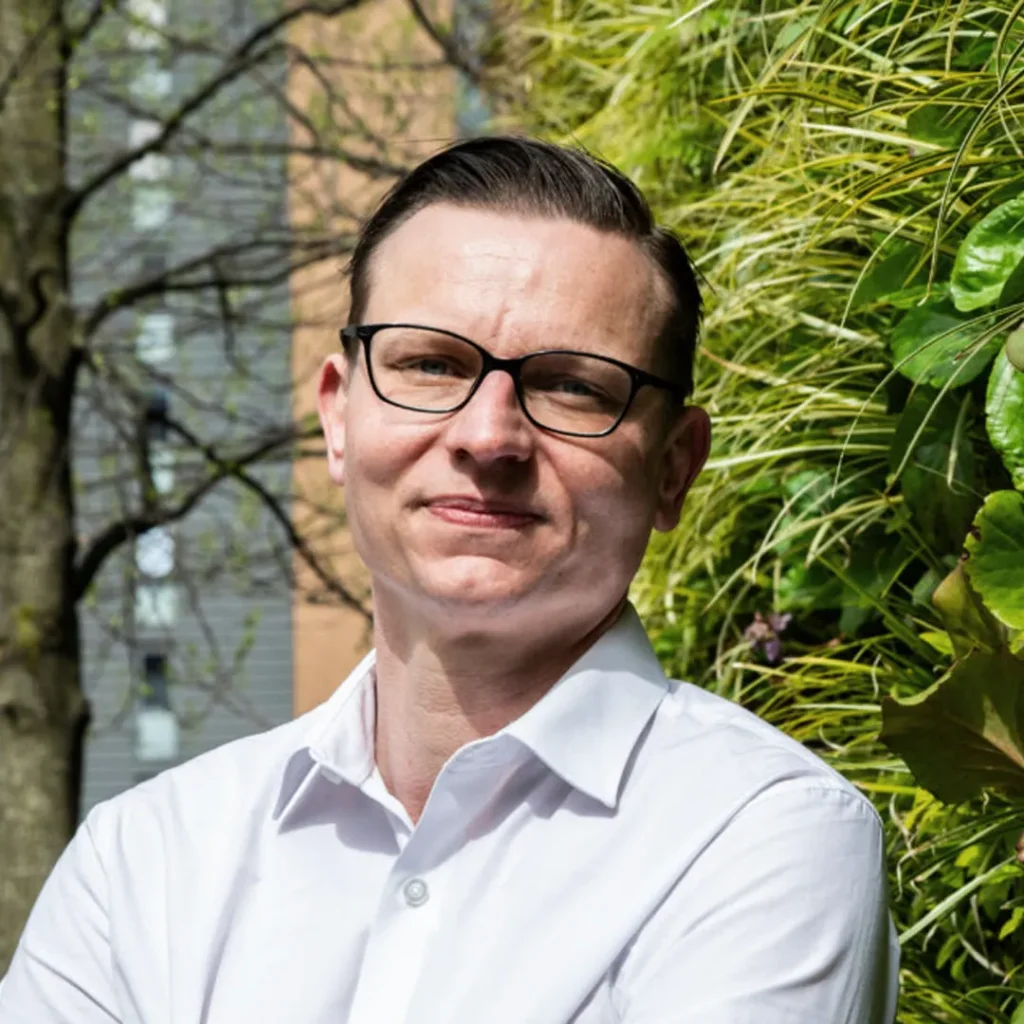
Tim is Founder and CTO of PhovIR Technologies and inventor of the company’s proprietary MIEYRA sensing platform. Combining over 20 years of experience in photonics, semiconductor technologies, MEMS, and advanced materials, Tim brings a rare blend of deep scientific expertise and commercial technology development experience. His career includes roles at Bosch and IMEC, alongside internationally recognised research leadership, providing the foundation for PhovIR’s next generation of optical sensing technologies.
Tim holds a PhD in Engineering from the University of Cambridge and a degree in Electrical Engineering from RWTH Aachen University.
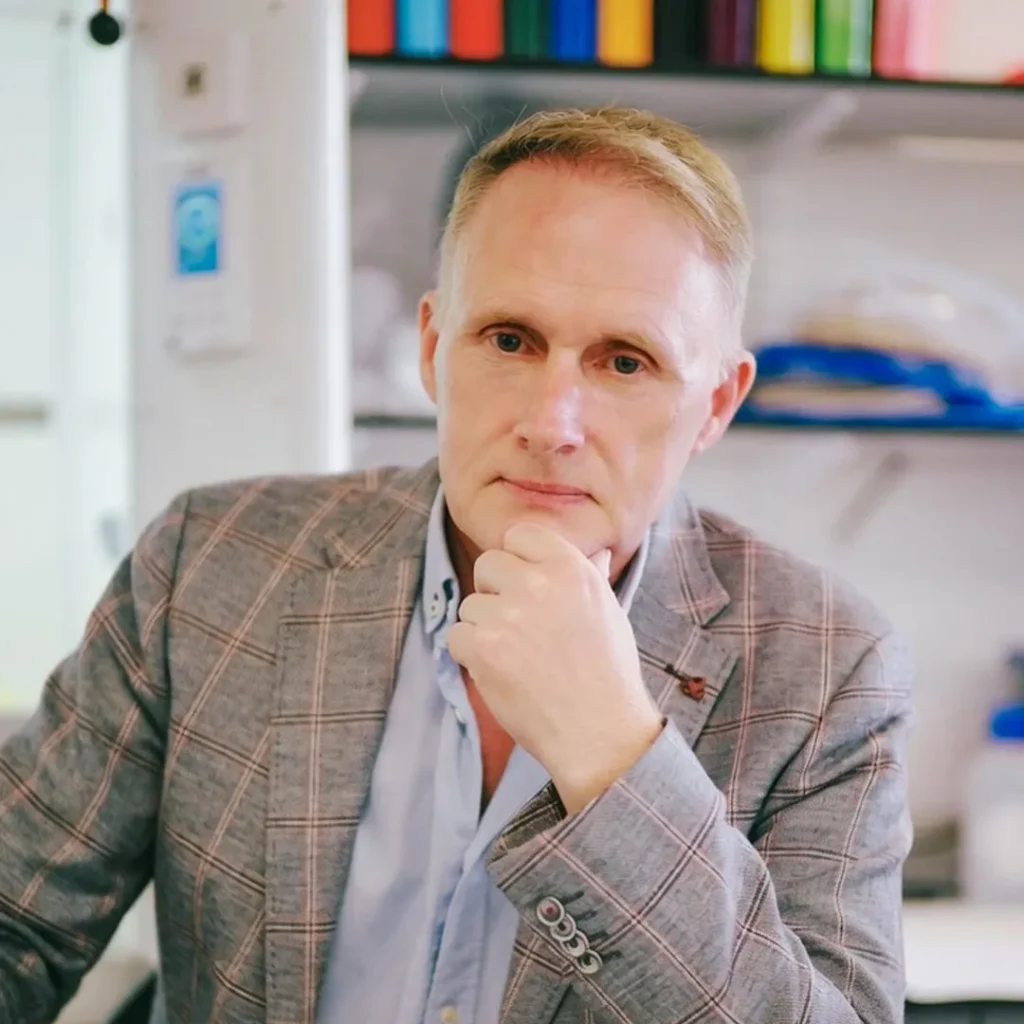
Ben is Chief Executive Officer of PhovIR Technologies and a deep-tech executive with more than 20 years of experience scaling businesses in photonics, advanced materials, and semiconductor technologies.
Prior to PhovIR, Ben led multiple deep-tech companies, including 2D Photonics, where he was responsible for founding, strategy, fundraising, and commercialisation. Across his career, he has helped secure over €250 million in venture investment and government funding.
Ben founded Surrey NanoSystems and led the invention and commercialisation of the globally recognised Vantablack® technology platform. He has built international manufacturing and supply chains across China, Vietnam, and Mexico for automotive applications, alongside technology programmes supporting space and defence markets in Europe and the United States.
An inventor or co-inventor on 28 patents, Ben leads PhovIR’s corporate strategy, investment activities, partnerships, and product commercialisation as the company develops the next generation of optical sensing technologies.